

Professionals master their Concrete Power Trowel Machine to achieve superior concrete finishes. They consistently produce flawless results on every project, demonstrating exceptional craftsmanship. This commitment elevates concrete work to the highest industry standards, ensuring lasting quality and client satisfaction.
Key Takeaways
- Learn about your power trowel machine. Know its parts and how they work. This helps you use it correctly.
- Prepare the work site well. Check the concrete and your machine. This makes sure the job goes smoothly.
- Use the right timing and blade angles. This helps you get a smooth and strong concrete surface.
Understanding Your Concrete Power Trowel Machine
Understanding Your Concrete Power Trowel Machine
Key Components and Functions
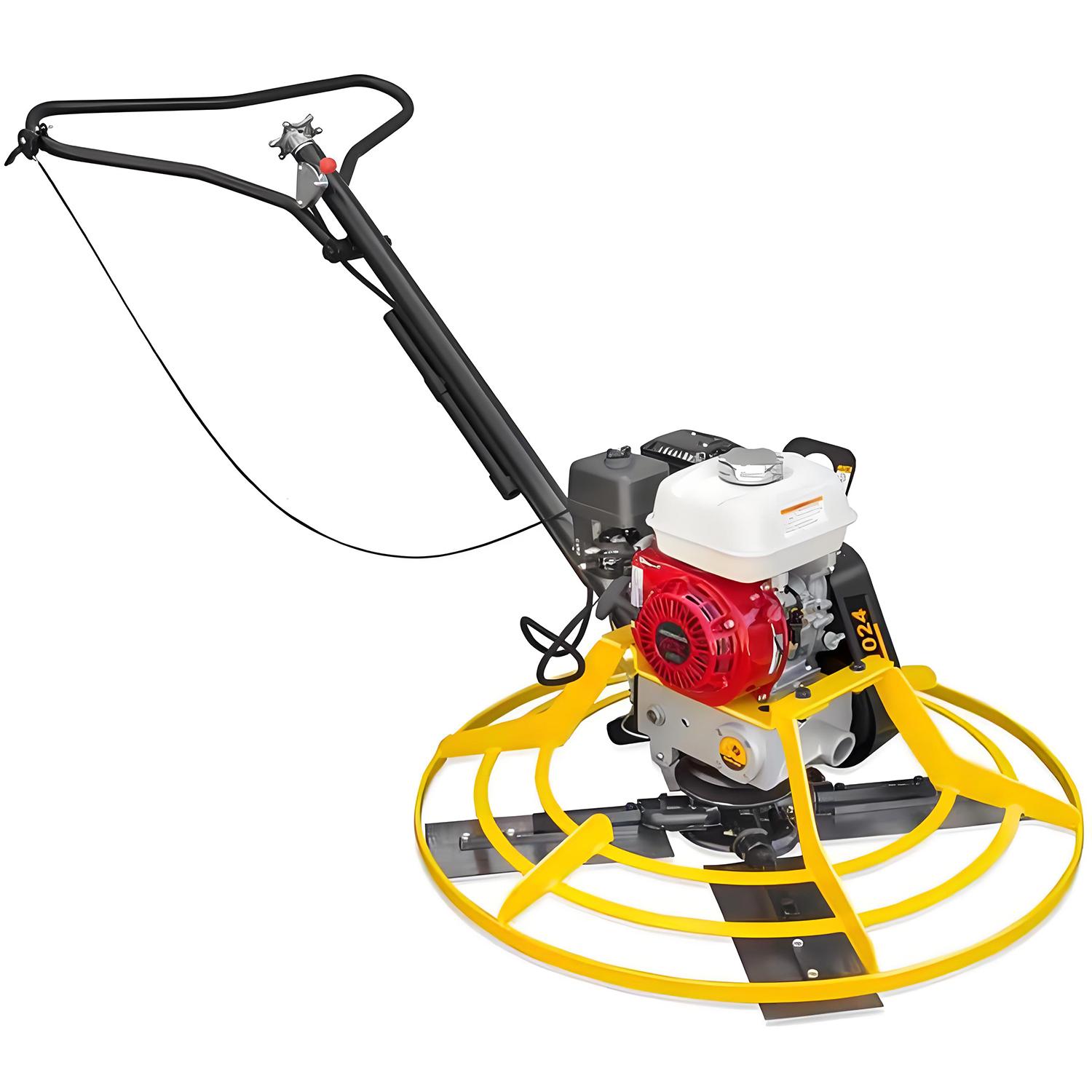
A power trowel’s essential components include the base frame, which provides structural support, and the blades that rotate to finish the concrete. The engine powers the entire unit. Blades are adjustable for angle and height, offering greater control over the finishing process. This control is particularly important for different concrete mixtures and environmental conditions. As the trowel blades move across the concrete, they perform critical functions. They compact the surface, expel excess water, and promote a uniform texture. These actions are vital for preventing issues like cracking. The Max Heavy Type Power Trowel, for instance, features a heavy-duty aluminum gearbox and a treated copper gear for extended service life.
Walk-Behind vs. Ride-On Models
Contractors choose between walk-behind and ride-on power trowels based on project scale and specific needs. Walk-behind models are compact and manually operated. Operators guide them from behind. They are cost-effective and easy to maneuver in tight spaces. These models are ideal for smaller projects, typically under 1,000 square feet, such as residential or small commercial spaces. Ride-on power trowels are larger machines with a seat for the operator. They offer high productivity and cover larger areas more quickly. These machines suit large commercial or industrial projects like warehouses and airport runways. The Max Heavy Type Power Trowel is a walk-behind model, perfect for precision work in various settings.
Engine Power and Speed Control
Engine power and speed control significantly influence a power trowel’s effectiveness. A powerful engine more effectively overcomes concrete resistance. This allows deeper blade embedding and improved compaction. The Max Heavy Type Power Trowel, for example, features a powerful 5.5HP/4kW industrial-grade Honda GX160 gasoline engine. This provides consistent power and stepless speed regulation from 0 to 180 RPM. Operators use low speeds (50–90 RPM) during the floating stage to prevent disturbing the concrete surface. They apply high speeds (100–150+ RPM) during the finishing stage for burnishing and compaction. Blade pitch and speed require continuous adjustment based on the concrete’s setting time and the desired finish. Incorrect speed can lead to tearing up the surface or inadequate compaction.
Preparing for Flawless Finishes with Your Concrete Power Trowel Machine
Essential Site Preparation
Proper site preparation ensures optimal conditions for power trowel operation. Workers must ensure the concrete has set sufficiently. It must support the machine’s weight. However, the concrete should remain soft enough for smoothing. A slight 1/8-inch depression from a footprint indicates good readiness. Before starting, verify the power trowel is in good working order. Check fuel levels and inspect oil levels. Assess the condition of the blades. Operators must level the concrete surface. They remove any excess water. They also address and correct surface imperfections before beginning work.
Concrete Mix Design Considerations
The concrete mix design significantly impacts finishing results. A consistent slump is crucial. It allows for uniform workability across the slab. Avoid overly wet or dry mixes. These can lead to surface defects. The aggregate size also plays a role. Finer aggregates generally produce smoother finishes. Consider admixtures carefully. They can affect setting times and workability. Always consult with the concrete supplier. They provide the best mix for specific project requirements.
Personal Protective Equipment
Safety is paramount on any construction site. Workers must wear appropriate personal protective equipment (PPE). This includes safety glasses or goggles. They protect eyes from splashes and debris. Hearing protection is also essential. Power trowel machines generate significant noise. Steel-toed boots protect feet from heavy equipment. Gloves shield hands from concrete and machine vibrations. Always ensure all PPE is in good condition. It provides maximum protection during operation.
Mastering Concrete Power Trowel Machine Operation
Optimal Timing for Initial Passes
Achieving a superior concrete finish begins with precise timing for the initial passes. Operators determine readiness when the concrete surface supports their weight. Footprints left by the operator should measure approximately 1/8” to 1/4” deep. The top layer of concrete does not stick to the operator’s boots when walking firmly on it. The concrete must be firm enough to support an operator’s weight without leaving a deep imprint. When stepping onto the slab, the operator should not sink more than 1/4 inch. All bleed water must have disappeared from the surface. The surface bears foot pressure without sinking. This stage typically occurs 90 to 120 minutes after the pour, though this can vary based on temperature and mix.
Environmental factors significantly influence this optimal timing. High winds accelerate moisture loss from concrete, leading to uneven curing patterns and texture variations. This directly impacts the timing and effectiveness of power trowel passes. Monitoring ambient temperatures hourly and adjusting work timelines to maintain ideal conditions (e.g., 65-75°F) is crucial for effective hydration control and optimal troweling. In hot and dry conditions, concrete sets rapidly. Troweling often commences within one to two hours to prevent issues such as surface crusting. Conversely, cold and wet environments slow down the concrete setting process. This delays troweling for several hours as bleed water takes longer to evaporate and surface firmness develops more slowly. Air temperature and humidity directly impact the setting time; hot and windy days accelerate evaporation, while cold or damp days retard the setting process.
Floating Techniques for Leveling
Float blades primarily level the surface and remove excess water from freshly poured concrete. They push down aggregate and bring cream to the surface. This process also removes imperfections and high spots, preparing the surface for subsequent finishing passes. The blade angle is crucial for concrete finishing. It dictates the contact between the blade and the concrete, influencing the troweling process and the final result. A flatter blade angle (lower pitch) allows for more aggressive troweling, effectively removing imperfections and leveling the surface quickly. Conversely, a steeper blade angle (higher pitch) provides a smoother finishing action, refining the surface texture and creating a polished look. Factors influencing blade angle selection include concrete consistency, desired surface texture, and operator skill.
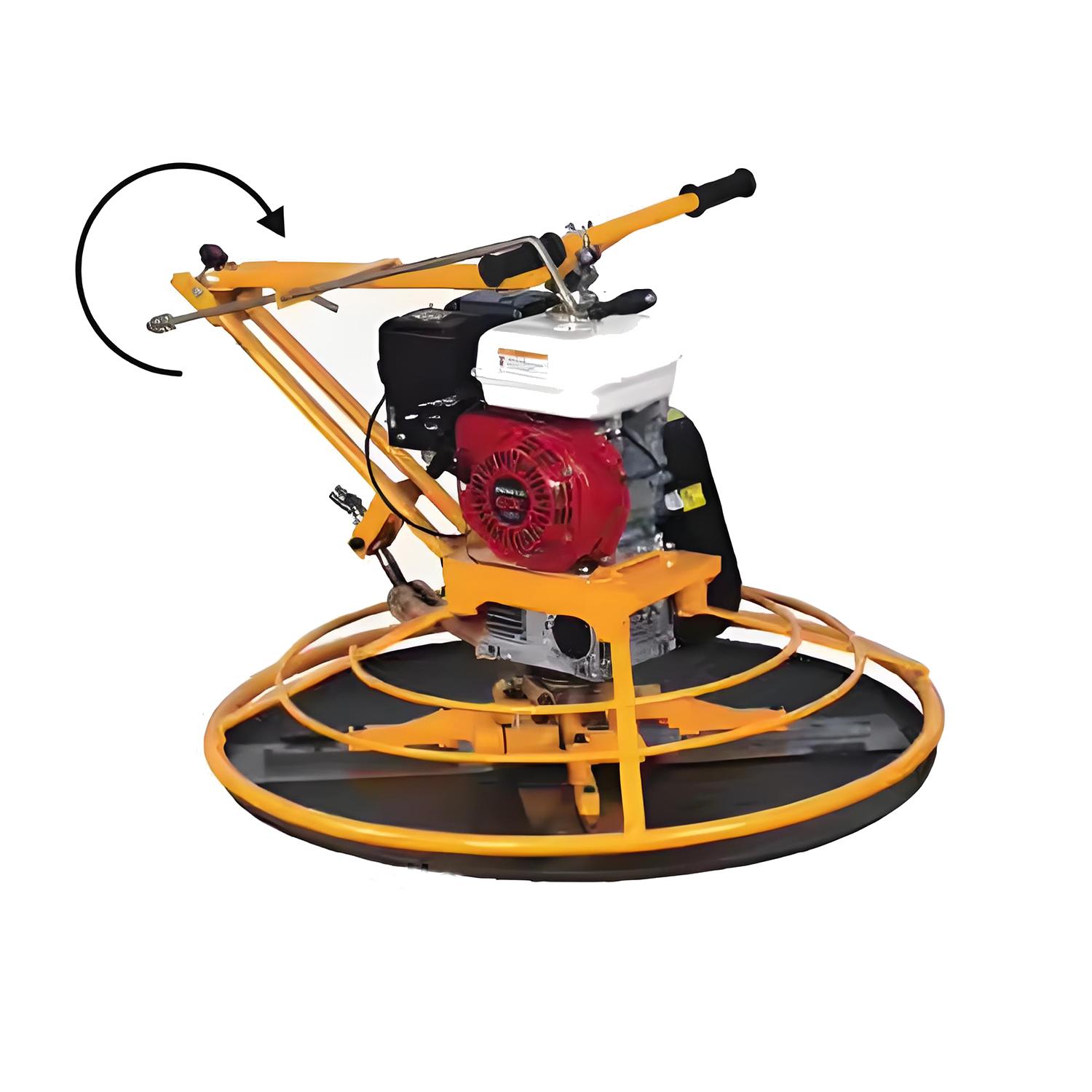
Concrete finishing involves multiple successive passes after floating to produce a dense, smooth, and hard surface. Operators allow the concrete to reach the proper set between passes. Some contractors use two machines, one with float blades and another with finish blades, to allow floating and finishing operations to proceed without delay. For both floating and finishing, the blade angle is crucial. The first pass begins with the blade raised slightly. With each successive troweling, operators gradually increase the angle of the blade (not exceeding 1 inch or 2.5 cm) to exert greater pressure on the hardening surface. This helps create a dense and durable concrete surface. If the blade tilts at too great an angle, it can cause ‘chattering’ or ridges. This requires reducing the tilt until the surface is smooth and level. Machine movement is also important; power floating starts perpendicular to the bull floating direction. If a second floating pass occurs, it should be at a right angle to the first pass. Successive troweling operations are perpendicular to initial troweling. Each successive finishing pass should overlap the previous pass by half the machine’s width to ensure complete slab coverage and minimize imperfections. When working with adjacent slabs, the machine runs parallel to the seam, with blades overlapping by a few inches, to avoid creating bumps.
Blade Pitch Adjustment for Finishing
Blade pitch adjustment is critical for achieving various concrete finish textures. Operators begin the initial floating stage by setting the blade pitch flat (0°-5°) and operating at a slower speed to gently level the surface. As the concrete firms, they gradually increase the blade pitch to 10°-20° for light to moderate finishing. For the final passes on a hard surface, operators increase the blade pitch further to 25°-30°. To achieve a high-sheen burnished finish, they use finish blades at maximum pitch and high RPM on a nearly hardened surface. This process builds friction and heat, which helps to ‘burn’ the floor, contributing to the desired burnished appearance.
Incorrect blade pitch adjustment can lead to surface defects. If operators increase blade angles too quickly relative to the stiffness of the surface, ‘blade chatter’ can occur. If the speed and angle are too aggressive, the surface will burnish or blister.
The following table illustrates typical blade angles and speeds for different finishing stages:
| Stage | Blade Angle (degrees) | Speed (rpm) | Purpose |
|---|---|---|---|
| First Finishing | 10-15 | 300-400 (low) | Eliminate surface floating slurry and slight bumps |
| Second Finishing | 25-30 | 400-600 (medium/high) | Compact and enhance surface density and gloss |
| Ultra-flat Surface | 30-45 | N/A | Achieve ultra-flat surfaces (e.g., industrial floors), requires sufficient concrete strength |
Final Passes for a Smooth Surface
The final passes with a Concrete Power Trowel Machine are crucial for achieving a high-quality, smooth surface. Operators execute multiple passes in alternating directions during the finish troweling stage. They monitor for burnishing or blade marks during these passes. The goal is to ensure the final pass results in a shiny, hard surface. Operators perform the finishing pass with finishing or combination blades after the surface has slightly set. They repeat passes as necessary to achieve the desired gloss. Immediately after the final pass, operators inspect the surface for any cracks, uneven areas, or missed spots and correct them. This meticulous attention to detail ensures a flawless and professional concrete finish.
Tips for a Perfect Finish with Your Concrete Power Trowel Machine
Selecting the Right Blades and Pans
Choosing the correct blades and pans is crucial for achieving a professional concrete finish. High-quality materials significantly impact performance and durability. Power trowel blades made from top-tier carbon steel, such as the Wagman WX614-F and MARSHALLTOWN M6094, offer exceptional durability and a prolonged lifespan. These robust constructions ensure consistent performance and resist wear even after extensive use. This durability makes them a cost-efficient choice over time. Hardened steel blades with anti-corrosion treatments further ensure durability and consistent performance in harsh environments. These materials provide reliable results and reduce maintenance and replacement costs. Plastic power trowel blades perform the same job as steel counterparts without burnishing the concrete, which is the friction of a steel blade leaving dark marks. However, plastic blades have an additional cost and a shorter lifespan compared to steel blades. The Max Power Trowel offers a quick-change blade system, allowing for tool-free blade replacement in under two minutes, which enhances efficiency on the job site.
Impact of Weather Conditions
Weather conditions significantly affect concrete setting times and finishing operations. High temperatures accelerate the concrete setting process, which can compromise its strength and quality. Strong winds remove moisture from the concrete surface, leading to faster setting and reduced strength. Wind speeds exceeding 15 mph increase the risk of wind erosion, which disrupts the hydration process. This leads to a 20% decrease in strength with just a 10% reduction in moisture. Concrete sets faster in hot weather because moisture evaporates more quickly. This rapid evaporation also increases the likelihood of cracking. Concrete poured and cured at 75°F performs better than concrete poured and cured at 100°F. Cold winds also create a ‘wind chill’ effect, stripping heat from the concrete. This contributes to plastic shrinkage cracking if the surface dries prematurely.
According to the ACI, concrete quality can be impaired by “…one or a combination of the following conditions that tends to impair the quality of freshly mixed or hardened concrete by accelerating the rate of moisture loss and rate of cement hydration, or otherwise causing detrimental results: high ambient temperature; high concrete temperature; low relative humidity; and high wind speed.”
Contractors implement several mitigation strategies to ensure quality finishing under adverse weather.
- Windy Weather: Create windbreaks or temporary enclosures to block airflow and reduce evaporation. Regularly mist the surface to keep it hydrated. Apply curing compounds to seal in moisture and ensure consistent hydration.
- Hot and Dry Climates: Employ hydration control techniques. Use curing methods such as fogging or damp curing to prevent rapid evaporation and shrinkage. Schedule concrete work during cooler parts of the day, such as morning or late afternoon. Provide shade over fresh concrete to slow curing. Keep the surface moist using curing compounds, wet burlap, or curing blankets. Use cooler water in the mix and consider admixtures to extend working time.
- Freezing Temperatures: Maintain appropriate temperatures for concrete mix, aggregates, and water. Utilize heated or temporary enclosures to protect fresh concrete. Cover concrete with insulated curing blankets, ensuring they remain secure.
- Heavy Rains: Ensure proper site preparation and drainage with adequate slope and channels. Monitor weather forecasts and adjust schedules if heavy rain is expected. Cover fresh concrete with plastic sheeting or weatherproof tarpaulins, securely anchored. Inspect concrete for surface damage after rain and address issues promptly.
Avoiding Overworking the Concrete
Overworking the concrete surface during finishing can lead to several long-term structural and aesthetic problems. Improper finishing techniques can trap air beneath the surface, leading to blister formation. Blistering negatively impacts the aesthetics of the concrete and compromises its durability and integrity over time. Overworking the surface reduces the air content of the surface concrete, making it weaker and more susceptible to scaling from freezing conditions. Additionally, troweling while bleed water is still present forces water back into the surface layer. This increases the water-to-cement ratio, which results in a porous and less durable concrete surface. Overworking concrete or adding water during the finishing process weakens the surface, leading to spalling, where the top layer peels away. This ruins the appearance and leaves the concrete vulnerable to damage from weather and wear, necessitating earlier replacement or patching.
Edge Work and Detail Finishing
Edge work and detail finishing are crucial for a complete and professional concrete slab. The Concrete Power Trowel Machine excels at large, open areas, but edges and tight spaces require special attention. Operators often use smaller walk-behind trowels or hand trowels for these areas. This ensures a consistent finish from the center to the perimeter. Pay close attention to areas around columns, drains, and expansion joints. These spots require careful hand finishing to match the quality of the machine-troweled surface. Proper edge work prevents premature chipping and provides a clean, sharp appearance. Detail finishing ensures a uniform texture and density across the entire slab, enhancing both aesthetics and durability.
Common Mistakes to Avoid with Your Concrete Power Trowel Machine
Incorrect Starting Time
Operators often make mistakes by starting power trowel operations too early or too late. Initiating work prematurely, while bleed water remains on the surface, causes several defects. These include premature surface wear and scaling, as bleed water mixes into the surface. This creates weak zones. Flaking or scaling off also results from trapping rising bleed water and air. Plastic shrinkage cracking occurs if the evaporation rate exceeds the bleed rate before texturing. This leads to early drying and surface tears. Crusting forms when excessive moisture loss creates a stiff, hard-to-finish surface. Mortar flaking, a form of surface scaling, happens over large aggregate particles due to early surface drying. Conversely, starting too late, when the concrete becomes too stiff, results in poorly textured surfaces.
Improper Blade Angle
An incorrect blade angle during power troweling contributes to common surface imperfections. Setting the blade angle too low removes excessive material. This causes rough surfaces. Conversely, setting the blade angle too high leads to inadequate compaction. It also results in a lack of desired smoothness. These issues contribute to uneven finishes and other surface imperfections. Operators must adjust the blade angle precisely for optimal results.
Leaving Trowel Marks
Leaving trowel marks on the finished concrete surface indicates improper technique. Operators often cause these marks by stopping the machine abruptly or by not overlapping passes correctly. They might also use dirty or damaged blades. To avoid marks, maintain continuous movement. Ensure each pass overlaps the previous one by at least half the machine’s width. Regularly clean and inspect blades for wear.
Ignoring Concrete Slump
Ignoring the concrete slump significantly impacts the final finish. Slump measures the workability and consistency of the concrete mix. An inconsistent slump leads to uneven setting times across the slab. This makes uniform finishing difficult. Too high a slump (too wet) can cause excessive bleed water and a weaker surface. Too low a slump (too dry) makes the concrete hard to work and finish smoothly. Always ensure the concrete mix has the correct slump for the project.
Safety and Maintenance for Your Concrete Power Trowel Machine
Operating Safely on Site
Operators must prioritize safety on construction sites. They receive professional training and understand the machine’s performance. Before each use, they inspect the power trowel for wear and damage. OSHA guidelines require specific personal protective equipment (PPE). This includes appropriate construction boots and clothing that is not too loose. Operators wear safety helmets, protective glasses, and ear protection. They also cover exposed skin and protect against dust inhalation. Always remain alert and avoid distractions during operation.
Routine Machine Inspection
Regular inspections ensure the power trowel operates efficiently and safely. Before each use, operators check several key components. They inspect blades for wear, cracks, or uneven edges. They verify the power source connection and the on/off switch position. Operators also check the spark plug for dirt or damage. They confirm fuel levels and inspect the motor or engine for mechanical issues. The drive belt needs checking for wear or damage. Operators also examine handle controls, the gearbox, and the drive system for any faults.
Cleaning and Storage Practices
Proper cleaning and storage extend the machine’s lifespan. Operators clean off concrete as soon as possible after use. Dried concrete becomes much harder to remove. They use a pressure washer immediately after finishing to remove excess concrete. For better cleaning, products like Liquid Hammer help keep moving parts clean. After each use, operators power wash the machine to remove grease and debris. They perform greasing and maintenance checks. When storing the machine, they follow manufacturer recommendations.
Advanced Techniques for Your Concrete Power Trowel Machine
Burnishing for High Sheen
Achieving a high-sheen burnished finish elevates concrete aesthetics. Operators replace standard blades with combination blades or specialty polishing blades during the final finishing stage. To achieve this high-sheen burnished finish, operators use finish blades at maximum pitch and high RPM on a nearly hardened concrete surface. After the surface firms up, they switch to finish blades. Operators gradually increase the blade pitch from 5° up to 30°. They also increase the RPM for enhanced surface compaction. Operators perform at least two finish passes, alternating directions. Finish blades are specifically designed for the final stage of concrete finishing and for achieving a polished look.
Working with Additives
Concrete additives can significantly enhance performance and finishing characteristics. Operators often use accelerators to speed up setting times, beneficial in colder conditions. Retarders extend working time, useful in hot weather or for large pours. Superplasticizers improve workability without adding excess water, leading to denser, stronger concrete. Understanding how each additive affects the concrete’s setting and hardening process is crucial. This knowledge allows operators to adjust troweling techniques and timing for optimal results.
Repairing Minor Imperfections
Even with expert operation, minor imperfections can occur. Operators use effective methods to repair these surface defects on a power-troweled concrete slab. Concrete resurfacing involves applying a thin layer of fresh concrete over the existing surface. This technique restores appearance and adds strength. Materials include a concrete overlay mix, a trowel or squeegee, and a bonding agent for proper adhesion. It effectively corrects minor surface imperfections. For larger holes and depressions, operators use concrete patching. This process includes cleaning the damaged area, applying a bonding agent, and filling the gap with patching material. Materials vary and include ready-to-use concrete patch mixes, mortar, and specialty repair compounds. Proper preparation and finishing are crucial for a smooth, durable repair.
Operators refine their Concrete Power Trowel Machine skills through consistent practice. Applying these advanced techniques yields consistently professional results on every project. Continuous learning and adaptation ensure superior concrete finishing. Professionals achieve flawless surfaces, elevating their craft to the highest industry standards.
FAQ
What is the ideal time to start power troweling?
Operators begin when the concrete supports their weight. Footprints should measure 1/8 to 1/4 inch deep. All bleed water must have disappeared from the surface.
How do operators prevent trowel marks?
Operators maintain continuous machine movement. They ensure each pass overlaps the previous one by half the machine’s width. Regularly clean and inspect blades for wear.
Why is blade pitch adjustment important?
Blade pitch adjustment controls the finish texture. A flatter angle levels the surface. A steeper angle refines the surface for a polished look. Incorrect angles cause defects.